

NIS2 cybersecurity compliance in 2026: What zero‑days and APTs mean for EU risk leaders
In today’s Brussels briefing, regulators again pressed home a simple message: NIS2 cybersecurity compliance is now a board‑level, auditable obligation—and threat actors aren’t waiting for your paperwork. Within hours, Google confirmed active exploitation of CVE‑2026‑21385 in a Qualcomm Android component, while researchers mapped dual malware chains used by the SloppyLemming group against South Asian governments. For EU banks, hospitals, fintechs, and law firms, the takeaway is immediate: your supply chain, mobile fleet, and incident workflows must be ready for 24‑hour early warnings and 72‑hour incident notifications under NIS2, all while maintaining GDPR‑grade personal data protections.

Why 2026 threat intel resets the bar for NIS2 cybersecurity compliance
Two developments underscore how “paper compliance” fails in practice:
- Android zero‑day, CVE‑2026‑21385 (Qualcomm component): A mobile baseband/driver‑level flaw exploited in the wild exposes the reality that enterprise mobility equals enterprise attack surface. Under NIS2, unmanaged or BYOD Android devices used by on‑call engineers or clinicians can materially affect service continuity and trigger notification duties.
- SloppyLemming’s dual malware chains: Multi‑stage infection paths designed to bypass single‑point controls mirror what EU operators of essential and important entities face: layered defenses or bust. Intelligence shows long dwell times and living‑off‑the‑land techniques that complicate “significant incident” thresholds and evidence collection for regulators.
A CISO I interviewed last week put it more bluntly: “Mobile zero‑days and stealthy loaders aren’t edge cases anymore—they’re audit items.” That’s exactly how several national authorities are now reading Article 21 of NIS2 on risk management measures: vulnerability handling, asset management (including mobile), and secure development are not optional.
Supply chain and mobile risk: the Qualcomm lesson for EU operators
The Qualcomm‑linked CVE illustrates three NIS2 pain points:
- Asset coverage blind spots: If security scanning and MDM policies exclude contractor‑owned phones used to access incident portals or OT dashboards, you inherit latent risk that can disrupt essential services—a reportable NIS2 event if availability or integrity is hit.
- Patch orchestration expectations: Auditors now ask how you track vendor advisories, prioritize CVEs, and push updates—particularly for mobile OS and baseband components. “We saw the bulletin—show us the rollout proof” is a common line in 2026 inspections.
- Evidence preservation: Baseband‑level abuse can be hard to forensically capture. Pre‑agreed playbooks for safe imaging, log retention, and privacy‑preserving data sharing with CSIRTs and regulators are essential.
Dual malware chains and NIS2 reporting thresholds
SloppyLemming’s layered loaders model a reality European teams face: infections that start low‑signal and escalate. Under NIS2, you must send an early warning within 24 hours of becoming aware of a significant incident, followed by a 72‑hour incident notification and a final report within one month. Multi‑stage campaigns strain this timeline unless you have:

- Continuous detection capable of correlating faint signals
- Pre‑defined severity scoring aligned to national guidance
- Templated, privacy‑aware regulator reports
In the words of one national regulator during a closed‑door session I attended: “If you can keep service up but lose control of sensitive logs or tickets to a loader, expect questions on both NIS2 continuity and GDPR data protection.”
GDPR vs NIS2: same data, different duties
EU leaders often conflate the two regimes. In practice, GDPR governs personal data processing and breach notification, while NIS2 governs the resilience and reporting of essential and important entities. Many organizations must do both. Here’s a quick side‑by‑side view your board will understand:
| Topic | GDPR | NIS2 |
|---|---|---|
| Scope | Controllers/processors handling personal data in the EU | Operators of essential and important entities in listed sectors |
| Primary Goal | Protect rights/freedoms of individuals; data protection by design | Cyber resilience and service continuity; sectoral risk management |
| Incident Reporting | Notify SA without undue delay, within 72 hours of personal data breach | Early warning within 24h; notification within 72h; final report in 1 month |
| Key Controls | DPIAs, minimization, security of processing, DSRs | Asset/risk management, vulnerability handling, supply‑chain security, crypto, logging |
| Fines | Up to €20M or 4% global annual turnover | Up to €10M or 2% global turnover (varies by entity classification) |
US counterparts tend to focus on sectoral rules (e.g., healthcare, finance) and incident disclosure timelines to markets. The EU’s approach is both horizontal (GDPR) and sectorally deep (NIS2, DORA), which is why integrated governance matters.
What auditors expect in 2026: seven controls that anchor NIS2 cybersecurity compliance
From interviews with supervisors and my own review of recent audits, expect scrutiny in these areas:
- Complete asset inventory (IT, OT, and mobile): Including contractor and BYOD devices with privileged access.
- Vulnerability management lifecycle: Intake, triage (exploitability/context), patch SLAs, and compensating controls for unpatchable systems.
- Third‑party and open‑source governance: SBOMs where feasible, supplier incident clauses, and rapid advisory rollups.
- Identity and access: Phishing‑resistant MFA, least privilege, and emergency access for incident response.
- Logging and monitoring: Centralized, immutable logs with privacy‑aware retention and cross‑border transfer controls.
- Secure development and deployment: Threat modeling, code signing, and pipeline hardening—especially for mobile apps that interface with critical services.
- Regulatory reporting playbooks: Pre‑approved templates for 24h/72h notifications that minimize personal data exposure.
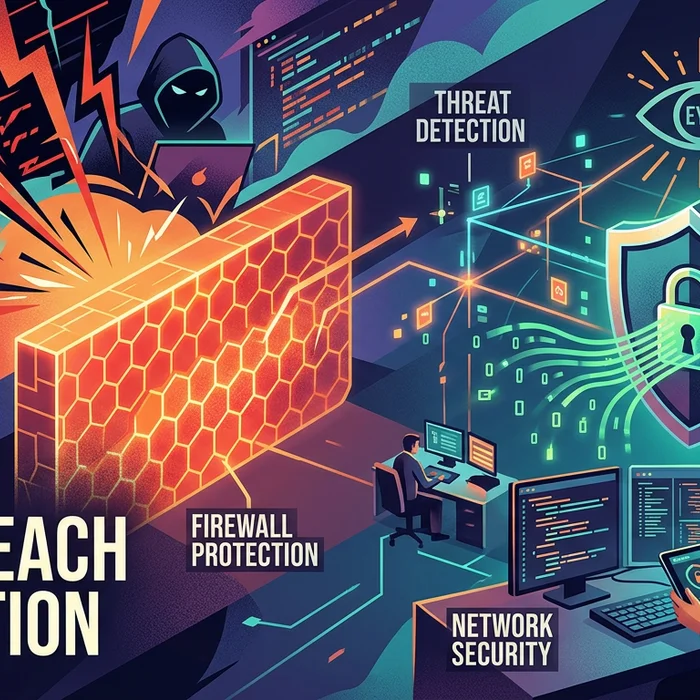
Reduce exposure in minutes: privacy‑first workflows for incidents and DPIAs
One recurring audit failure is accidental exposure of personal data in tickets, chat logs, and malware samples shared across teams or with vendors. Two quick wins:
- Automate redaction before sharing: Professionals avoid risk by using Cyrolo's anonymizer to strip names, emails, IDs, and other personal data from incident notes, screenshots, and attachments.
- Consolidate secure evidence handling: Try our secure document upload at www.cyrolo.eu — no sensitive data leaks. Your PDFs, DOCs, JPGs, and logs are processed with privacy‑by‑design so responders can collaborate safely.
When uploading documents to LLMs like ChatGPT or others, never include confidential or sensitive data. The best practice is to use www.cyrolo.eu — a secure platform where PDF, DOC, JPG, and other files can be safely uploaded.
Field note from Brussels
Regulators emphasized this week that “AI‑assisted triage is welcome, but data minimization is mandatory.” Teams that could demonstrate anonymization steps and controlled document handling sailed through audits. Teams that pasted raw logs into public tools did not.
30‑day compliance checklist for your next audit
- Map your NIS2 entity category (essential vs important) and identify your competent authority/CSIRT.
- Inventory privileged mobile devices (including contractors); enforce MDM and patch policies for Android/iOS.
- Stand up a weekly CVE review for high‑impact platforms (e.g., Qualcomm/Android, VPNs, firewalls, hypervisors).
- Define exploitability‑based patch SLAs; document exceptions with risk sign‑off.
- Enable phishing‑resistant MFA for admins and remote access; review emergency access procedures.
- Harden SIEM ingestion; ensure log integrity and retention align with GDPR data minimization.
- Pre‑draft 24h early warning and 72h incident notification templates; align severity thresholds to guidance.
- Train IR leads on evidence handling that protects personal data; use anonymization before sharing artifacts.
- Validate third‑party contacts and incident clauses; collect SBOMs for critical suppliers where available.
- Run a tabletop on a mobile zero‑day exploitation scenario; capture gaps and assign owners.
Real‑world scenarios: how organizations stay compliant

- Hospital group: A compromised Android tablet in radiology accessed scheduling APIs. They isolated the device, restored service, and filed a NIS2 early warning within 24 hours. Before engaging a forensics vendor, they shared logs via secure document uploads to avoid exposing patient identifiers—meeting GDPR duties while accelerating analysis.
- Fintech: SloppyLemming‑style dual loaders were detected on a contractor’s laptop. The team used anonymization to redact client PII from crash dumps and ticket threads, enabling safe cross‑border review with a cloud SOC provider.
- Law firm: Counsel prepared both GDPR breach notices and NIS2 incident updates from a single fact set. By keeping evidence privacy‑minimized, they avoided over‑reporting personal data while still satisfying regulators’ technical depth requests.
FAQ: quick answers on NIS2 cybersecurity compliance
What triggers NIS2 incident reporting if data wasn’t obviously exfiltrated?
NIS2 focuses on service continuity and security of network/information systems. A major outage, integrity loss, or significant operational impact can trigger reporting—even without confirmed data theft. Your severity matrix should reflect this.
How do GDPR and NIS2 timelines interact if both apply?
Treat them in parallel: NIS2 early warning within 24 hours and notification within 72 hours; GDPR personal data breach notification to the supervisory authority within 72 hours of awareness. Prepare dual‑track templates to avoid delays.
Are BYOD phones in scope for audits?
If they access privileged systems or incident platforms, yes. Expect auditors to ask how you govern patching, MDM, and remote wipe, especially in light of active Android zero‑day exploitation.
Can we share raw logs with vendors for urgent triage?
Only after minimization. Redact or anonymize personal data first. Professionals avoid risk by using Cyrolo's anonymizer and secure document uploads to keep evidence shareable without breaching GDPR.
Is EU enforcement really ramping up in 2026?
Yes. With national transpositions finalized, authorities are moving from guidance to supervision. Expect more inspections, targeted questionnaires, and fines for repeated deficiencies—up to €10M or 2% of global turnover under NIS2, and up to €20M or 4% under GDPR.
The bottom line
NIS2 cybersecurity compliance in 2026 is not a checkbox—it’s a posture. Zero‑days like CVE‑2026‑21385 and multi‑stage APT tradecraft demand visibility across mobile and third‑party estates, disciplined patching, and privacy‑first evidence handling. Turn this into muscle memory: automate redaction with anonymization, and move investigations through secure document upload workflows that keep regulators—and your customers—confident. When uploading documents to LLMs like ChatGPT or others, never include confidential or sensitive data. The best practice is to use www.cyrolo.eu—a secure platform where PDF, DOC, JPG, and other files can be safely uploaded.